
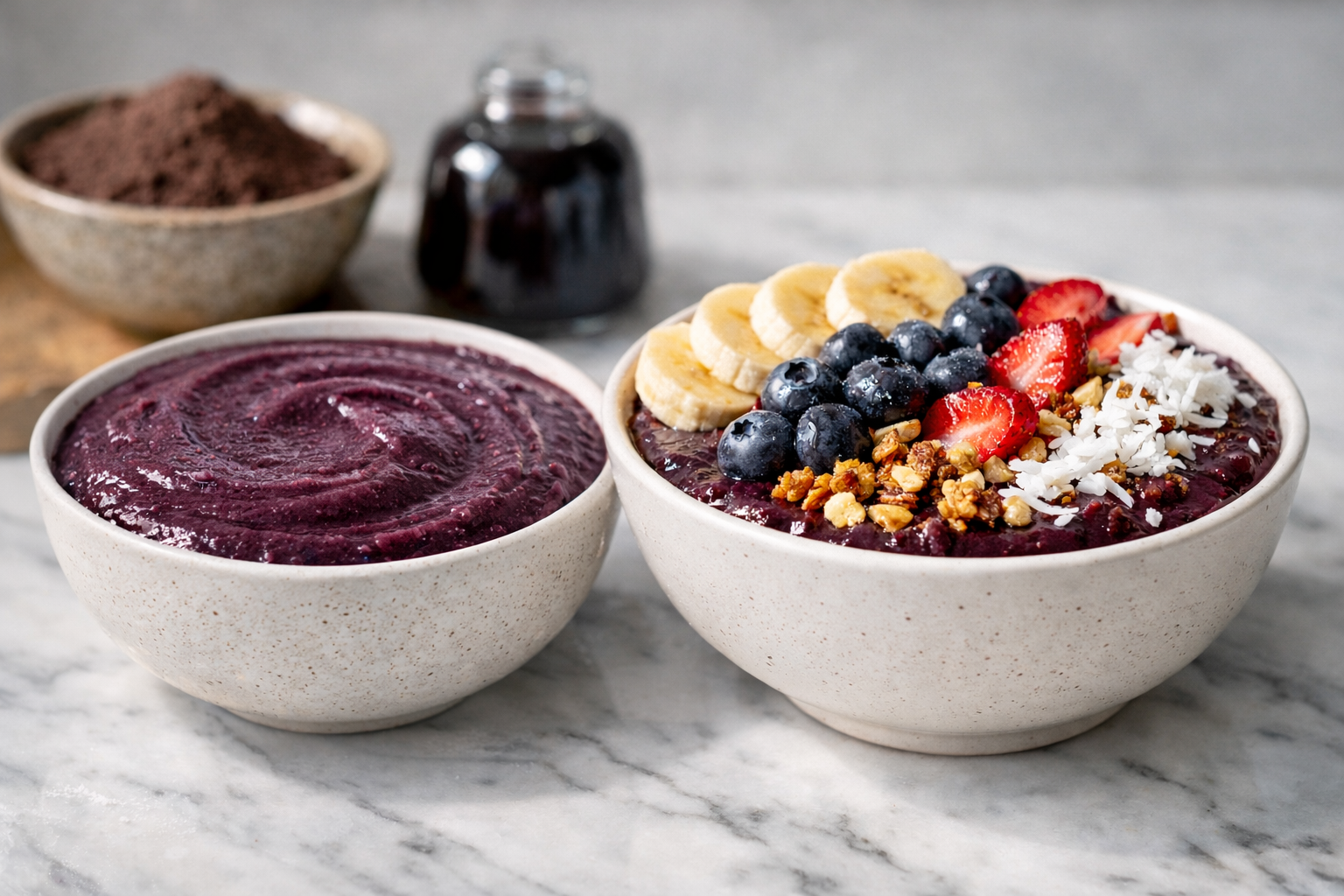
In the home kitchens and health cafes of Dubai, health-minded locals have one thing in common: they have a bad experience with Acai. The taste, consistency, and nutritional value is disappointing, or simply of low quality, and almost the entire online retail marketplace is made up of convenient powders and syrup versions of the fruit. This is a legitimate gripe when it comes to superfoods, as it can be very expensive for the customer—both financially and nutritionally.
Real Acai pulp, when blended, has an unrivalled silky, sorbet-like consistency. It provides a deep, complex, earthy flavor profile with notes of chocolate, nutty, and/or berries. This experience comes from the fruit and not from sweeteners or other additives.
Quality frozen pulp like Amazonas4u products retains the cellular structure of the fresh fruit. It is flash-frozen hours after harvest, which preserves most of its natural antioxidants, omega fatty acids, and dietary fiber. Powders and syrups go through extensive processing, removing the nutrients, and altering a nutrient-dense berry into a convenience product.
The Acai berries have to undergo mechanical grinding and freeze-drying. This method retains moisture and prolongs shelf life, but freeze-drying also exposes the fragile contents of the berry to oxidization (especially fats and anthocyanins), rendering them worthless as a food replenisher. Clients often scratch their heads in Dubai and simply state that powdered Acai is not real Acai because it tastes sour, dry, or chalky unless it is combined with superior fruit bases.
Syrup counterparts do worse. They dilute concentrated juices with sugar or glucose syrup, providing a sweet, yet nutritionally deficient product. Due to the syrup bases turning into slush within seconds under Dubai temperatures, café owners frequently complained that the customer gets fruit-flavored sugar water, instead of the fruit.
There are visual and sensory cues that immediately reveal what you’re buying:
Frozen pulp is the best for texture, actual flavour, and nutrient retention. Ideal for bowls, smoothies, and professional café use.
For travel or as a backup, powdered form works well; look for extra carriers, such as maltodextrin, and make sure the brand’s freeze-drying instructions are met.
Use syrup only as a drizzle or topping, never as the foundation, if you want any nutritional credibility.
Although cautious sourcing is required given the heat in Dubai, if you know what to look for you can still find good quality Acai. Of all options, preserved frozen Acai pulp remains the best quality, if you are looking to invest in ‘real superfood nutrition’ indicating that convenience matters the most when you have done your part for knowing all about what you’re putting in your body.
Frequently Asked Questions
Q: Can frozen Acai survive Dubai’s hot climate during delivery?
A: Yes, as long as the supplier is using proper logistics to keep the cold temperature constant. Established local vendors will use insulated packaging, ice packs, and have quicker shipping methods to sustain the -18°C storage. The pulp needs to be rock-solid firm to ensure it is frozen for transport. If it is delivered with softness, moisture, or crystallisation evident, this indicates thaw and refreeze. This causes a loss of texture and a detrimental change of omega fats.
Q: Why does powder sometimes taste sour, while frozen pulp tastes earthy?
A: Processing the powder means that it often sits for a period before use, and it may include citric acid as a preservative that could change the pH. High-quality frozen Acai will retain its neutral, cocoa-like color when flash-frozen according to 48-72 hours after harvest. Once exposed to heat during the drying process, natural flavour layers can flatten and the sourness can also increase.
Q: Should I ever choose powder or syrup over frozen Acai?
A: Just when convenience takes priority over health. The powder may have a lower density of nutrients; however, its performance is only convenient for somebody traveling or without access to a freezer. For example, a syrup “is not a base” for smoothies but rather is an added topping. Unsweetened frozen pulp (with no less than 14% fruit solids) is still the best choice for authentic Acai bowls and true superfood value.
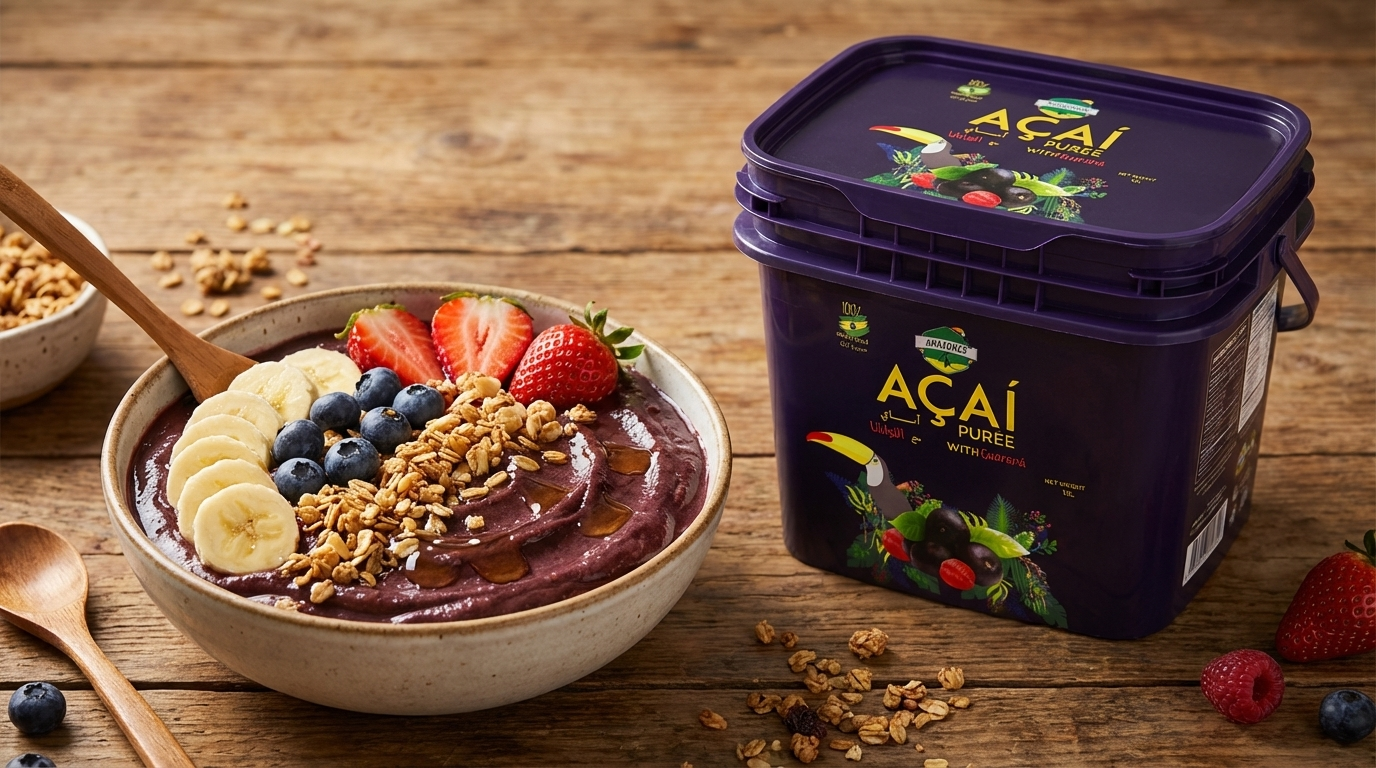
Introduction to Frozen Acai What Makes Frozen Acai Special Frozen acai is a superfood made from nutrient-rich acai berries harvested....
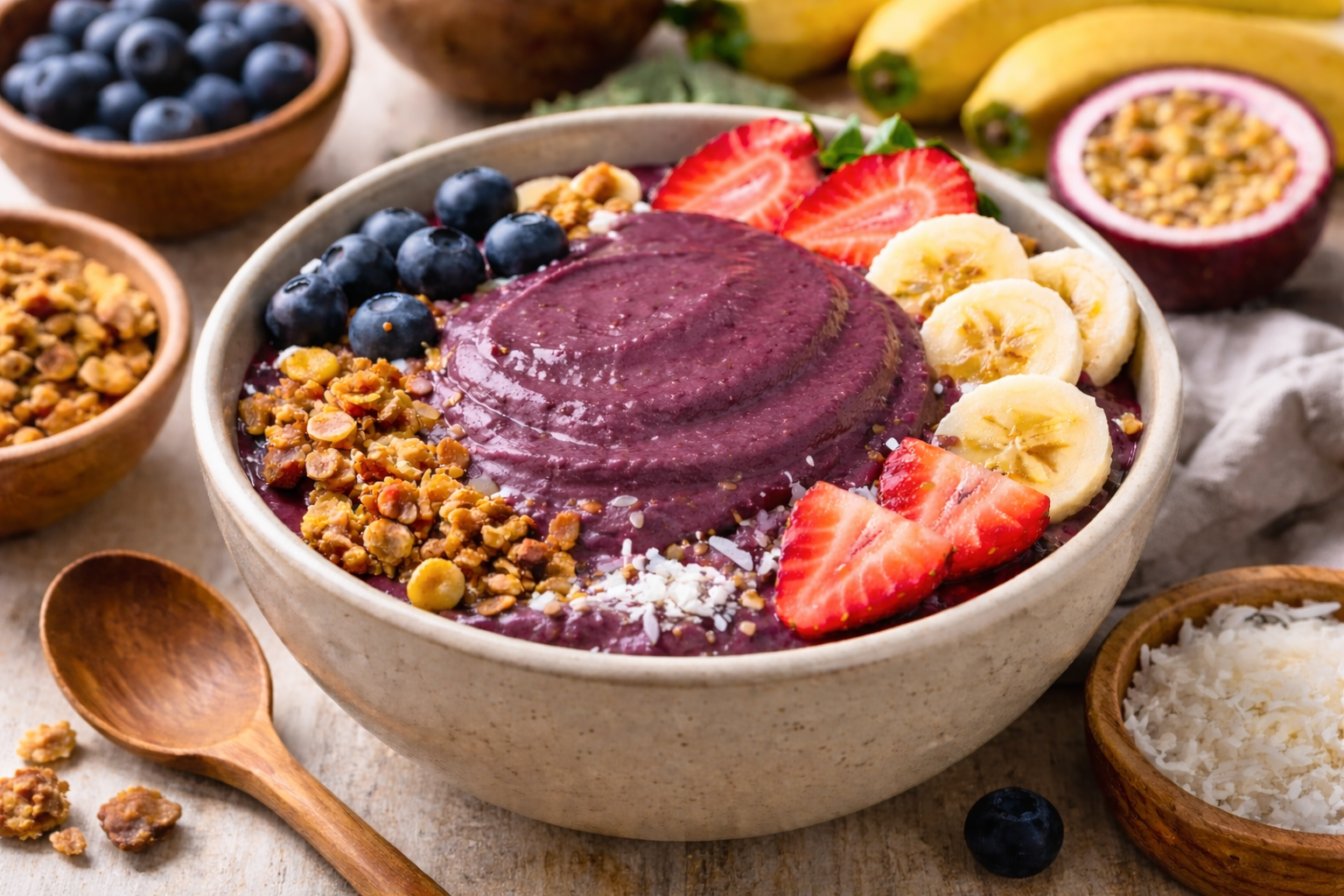
Scoopable acai is a creamy, ready-to-serve version of acai that has quickly become a favourite among health-conscious consumers, cafés, and....
In the home kitchens and health cafes of Dubai, health-minded locals have one thing in common: they have a bad....

Most acai bowl lovers treat all bowls the same way. Blend, scoop, eat. However, the ingredients that promote weight loss....

“It’s too runny and melts immediately. It tastes sour or bland instead of earthy and rich. I spent a lot,....
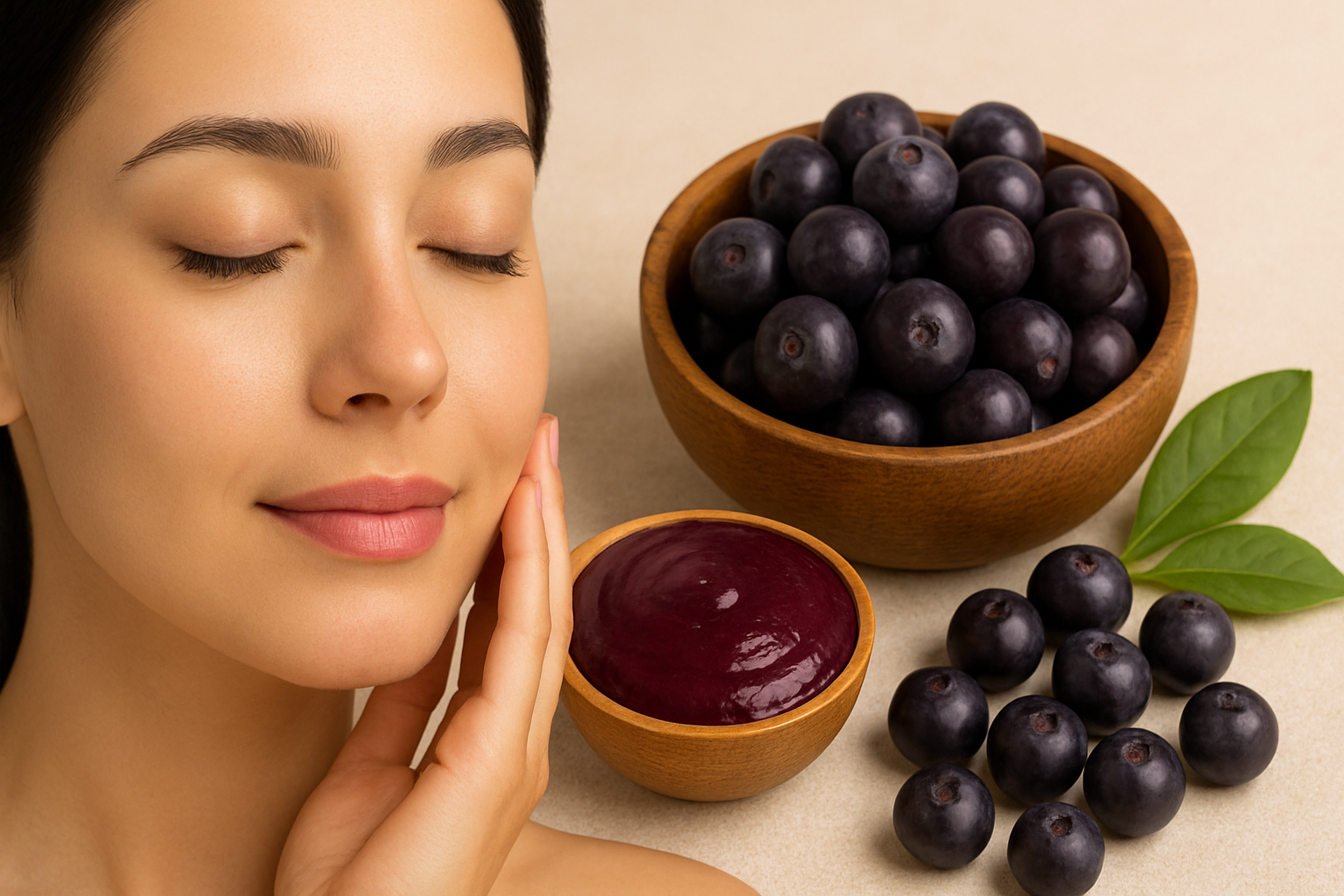
Acai for Skin Care has become one of the hottest trends in the beauty world—and for good reason. Known as....